
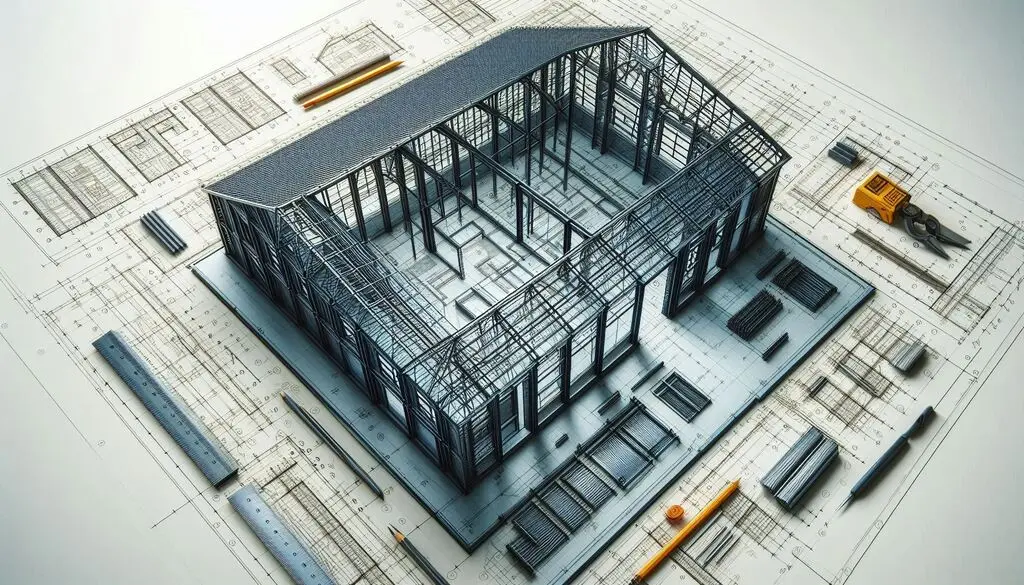
What Are Pre Engineered Steel Buildings? A Complete Beginner’s Guide
In today’s fast-paced construction world, efficiency, cost-effectiveness, and durability are key. That’s where Pre Engineered Steel Buildings (PEBs) come in. But what exactly are they, and why are so many industries in India and globally turning to them?
In this guide, we’ll break down what pre engineered buildings are, how they’re made, and why they’re revolutionizing the way we build everything from factories to warehouses to commercial complexes.
What Are Pre Engineered Buildings (PEBs)?
A Pre Engineered Building (PEB) is a structure made primarily of steel that is designed, fabricated, and assembled using a standardized, pre-calculated engineering process. Unlike traditional construction, PEBs are manufactured off-site in factories and then quickly assembled on-site.
These buildings consist of:
- Primary structural components (columns, rafters)
- Secondary members (purlins, girts)
- Roof and wall sheeting (metal panels or sandwich panels)
Together, these components form a high-strength, low-maintenance building system.
Key Features of Pre Engineered Steel Buildings
- Factory-Fabricated Components
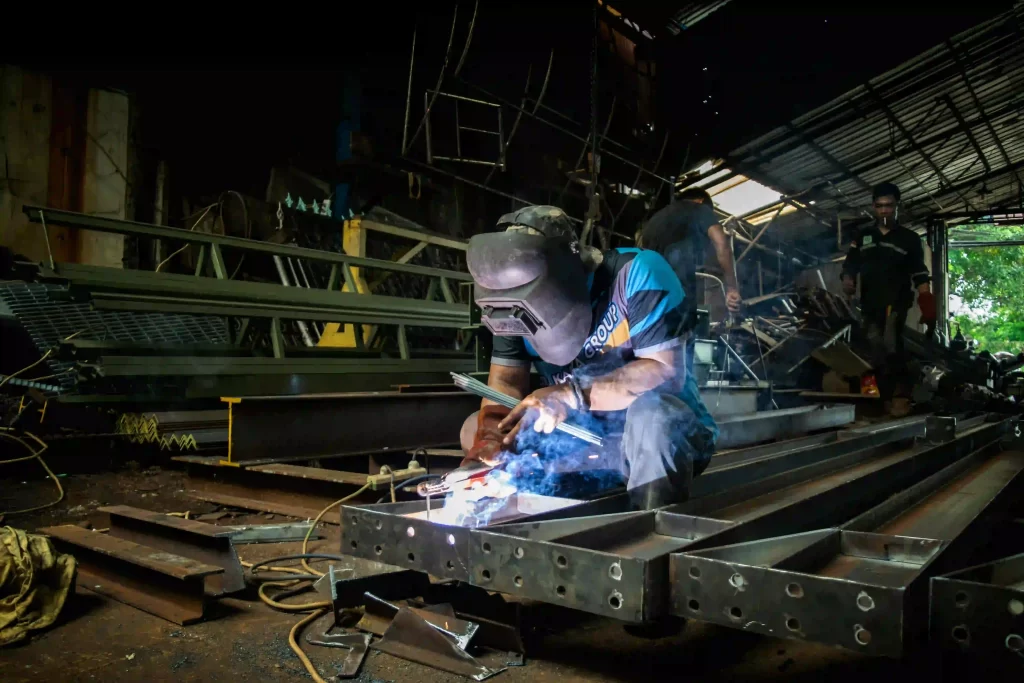
Every part is cut, welded, and drilled in a controlled environment—ensuring accuracy and minimal waste. - Bolted Connections
On-site work is mostly limited to bolting, making the erection process fast and efficient. - Custom Design Flexibility
Although pre-engineered, buildings can be customized in size, layout, façade, and accessories. - Lightweight Yet Strong
Steel is lighter than concrete but offers superior load-bearing capacity.
How PEBs Are Constructed: The Process
- Design Phase
Engineers use software to calculate loads, wind speeds, seismic factors, and more. - Fabrication
Steel components are cut, shaped, and drilled in a factory setup. - Transportation
Components are shipped to the construction site. - Assembly
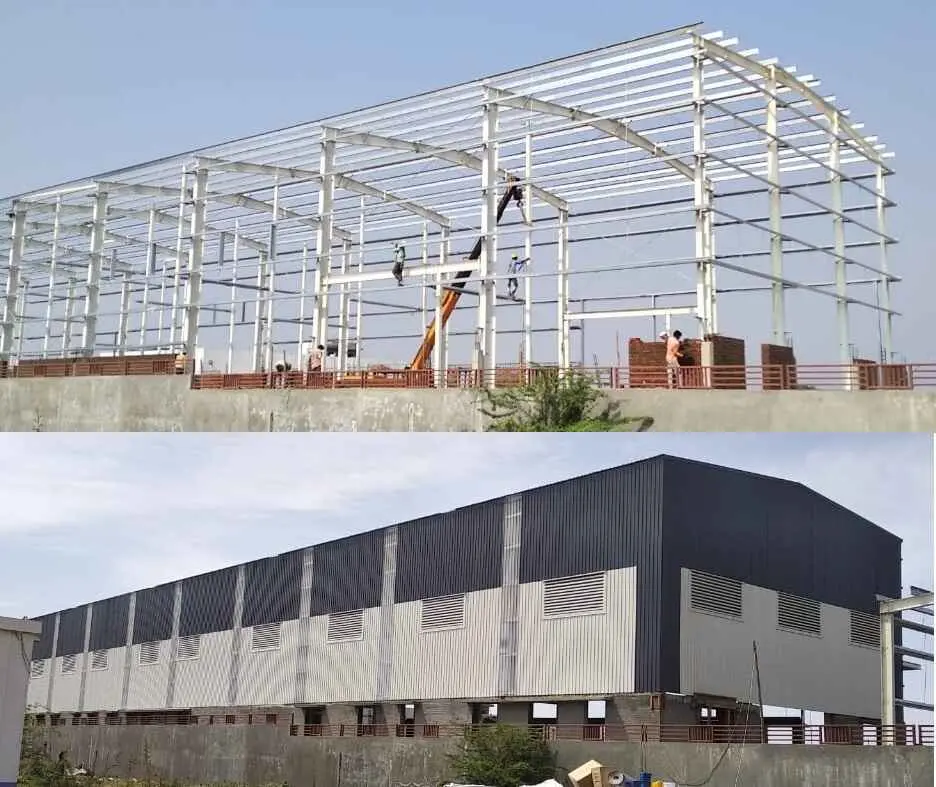
A crew bolts the frame together, followed by installation of wall and roof panels.
Applications of PEBs in India
Pre Engineered Buildings are used in:
- Industrial Sheds & Factories
- Warehouses & Logistics Parks
- Commercial Buildings
- Aircraft Hangars
- Agricultural Storage Units
- Showrooms & Retail Outlets
Advantages of Pre Engineered Buildings
Feature | Benefit |
Speed | 30-50% faster than conventional construction |
Cost | Lower overall project cost due to time saved |
Durability | Resistant to fire, earthquakes, and pests |
Scalability | Easy to expand with additional bays |
Eco-Friendly | Minimal waste, recyclable materials |
Common Myths About PEBs
- Myth: PEBs are not customizable.
Fact: They can be customized in design, color, insulation, and functionality. - Myth: PEBs are only for industrial use.
Fact: They are also used in schools, malls, and office buildings.
PEB Meaning in Simple Terms
If you’re still wondering what PEB means, here’s a quick summary:
PEB = Pre Engineered Building
A smart, fast, and sustainable way of constructing steel buildings using pre-designed components.
Conclusion
Pre Engineered Steel Buildings are the future of construction, especially in regions like Kerala where speed, space, and structural safety are critical. If you’re planning an industrial, commercial, or storage project, PEBs can save you time, money, and headaches.




Pre Engineered Buildings vs Conventional Construction : Pros and Cons :
When planning a construction project—be it a warehouse, factory, or commercial building—you’ll inevitably face a key decision: Pre Engineered Building (PEB) or Conventional Construction?
While both approaches have their merits, understanding the differences, pros, and cons can help you choose the right method based on your budget, timeline, and long-term goals.
Let’s break it down.
What Is a Pre Engineered Building (PEB)?
A Pre Engineered Building (PEB) is a steel structure that is designed, fabricated, and assembled using standardized engineering methods. Most of the components are manufactured off-site in factories and then bolted together quickly on-site.
What Is Conventional Construction?
Conventional construction refers to traditional building methods where structural elements (such as RCC columns, brick walls, and concrete slabs) are constructed entirely on-site, often requiring longer project timelines and more labor.
PEB vs Conventional Building – Key Differences
Feature | Pre Engineered Building (PEB) | Conventional Construction |
Speed | 30–50% faster | Time-consuming and labor-intensive |
Cost | Cost-effective due to factory fabrication | Higher labor and material costs |
Quality Control | High – factory-made with precision | Variable – site-dependent workmanship |
Design Flexibility | Modular and expandable | More flexibility but slower to adapt |
Foundation Load | Lighter – reduces foundation cost | Heavier – requires stronger foundation |
Maintenance | Low – corrosion-resistant steel | Higher – especially for concrete/brick |
Waste Generation | Minimal – optimized fabrication | High – on-site material wastage |
Environmental Impact | Eco-friendly, recyclable steel | Higher carbon footprint |
Advantages of Pre Engineered Buildings
- Faster Project Completion
PEBs reduce construction time by up to 50%—crucial for commercial and industrial projects with tight deadlines. - Cost Savings
Less labor, less waste, and optimized material usage lead to lower total project costs. - Durability
Steel frames withstand earthquakes, wind, and fire better than many traditional materials. - Scalability
Need to expand? PEBs make it easy to add new bays or sections with minimal disruption. - Cleaner Construction
With most fabrication done in factories, on-site disruption, noise, and pollution are minimized.
Disadvantages of PEBs (When Compared to Traditional Buildings)
- Limited Customization for Complex Designs
While PEBs offer flexibility, complex architectural shapes or multiple floor layouts may still favor RCC/conventional design. - Requires Skilled Erection Team
Bolting and assembling steel structures need trained workers and proper equipment. - Thermal Insulation
Steel can heat up quickly, so insulation materials are necessary in hot climates—an additional cost to consider.
When to Choose PEBs Over Conventional Construction
Scenario | Recommended Option |
Factory or Warehouse | PEB |
Retail Showroom | PEB (fast launch) |
Multi-storey Residential | Conventional |
Cold Storage or Logistics Hub | PEB |
Custom Architectural Design | Conventional (if highly complex) |
Conclusion
When comparing PEB vs Conventional Buildings, it’s clear that PEBs offer a faster, smarter, and more economical solution for industrial and commercial projects. However, conventional methods still hold value in highly customized or multi-storey residential buildings.
If you’re planning to build a warehouse, factory, or commercial space in Kerala, consider Everroof’s PEB solutions for speed, reliability, and long-term savings


Applications of Pre Engineered Steel Buildings in Industrial Projects
In the industrial world, speed, efficiency, and structural strength are critical. That’s exactly why Pre Engineered Steel Buildings (PEBs) are gaining popularity across factories, warehouses, and other industrial setups. Designed for quick assembly, cost-efficiency, and long-term performance, PEBs are changing the way industries build infrastructure.
In this post, we’ll explore the most common industrial applications of PEBs, along with the reasons they’ve become the go-to choice for modern factories.
What Makes PEBs Ideal for Industrial Use?
Pre Engineered Buildings are factory-fabricated steel structures, assembled on-site using bolted connections. This method minimizes construction time, labor costs, and material waste—ideal for industries that prioritize ROI and operational uptime.
Key benefits include:
- Fast construction
- High strength-to-weight ratio
- Easy scalability
- Low maintenance
- Resistance to fire, corrosion, and extreme weather
Top Industrial Applications of Pre Engineered Buildings
1. Factories and Manufacturing Plants
PEBs provide the large clear spans required for production lines, machinery, and assembly areas. They also allow for:
- Crane systems
- Mezzanine floors
- Insulated wall panels
- Flexible design for future expansion
PEB for factories ensures maximum floor space with minimal column interruptions.
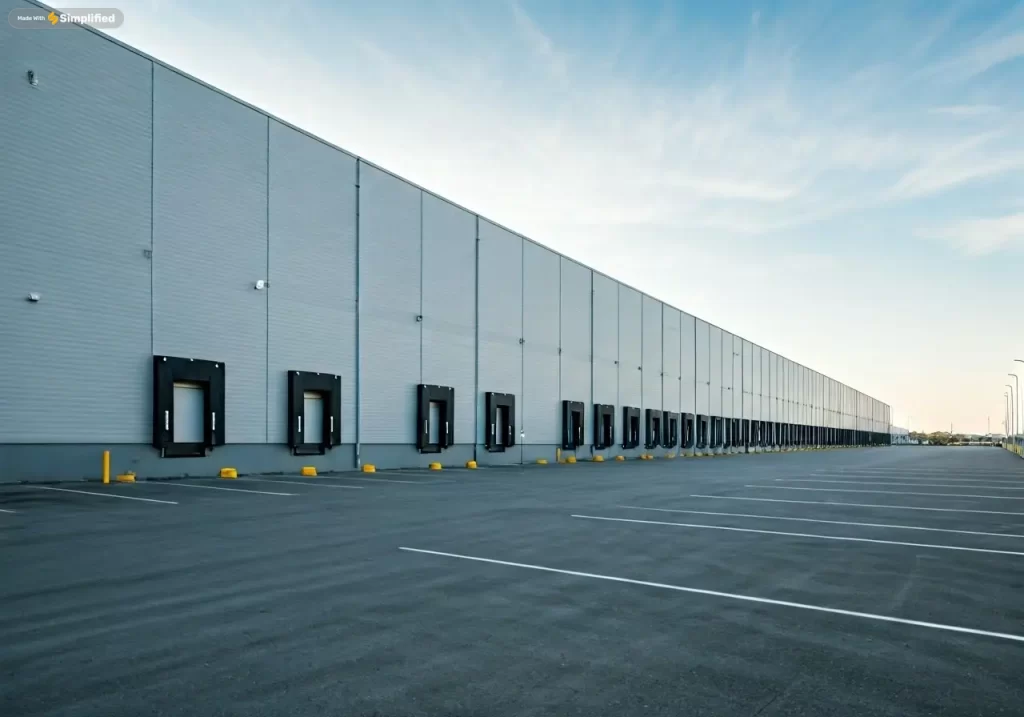
2. Warehouses and Distribution Centers
PEBs are ideal for warehouses due to:
- Long spans without internal supports
- Quick installation
- Custom racking support
- Ventilation and insulation features
Fast-moving goods businesses prefer PEBs to minimize downtime and speed up logistics operations.
3. Cold Storage and Food Processing Units
Steel structures can easily be insulated and made airtight—perfect for:
- Temperature-sensitive storage
- Cleanroom applications
- Washable wall panels
PEBs support large refrigeration units, suspended piping, and controlled environments.
4. Power Plants and Utility Buildings
PEBs are used in:
- Turbine sheds
- Switchgear rooms
- Generator housings
They support heavy-duty cranes and equipment, and are engineered for high loads and vibrations.
5. Textile and Garment Industries
These industries need large, column-free spaces for:
- Cutting, stitching, and packing lines
- Proper ventilation and dust control
- Rapid installation for quick business setup
PEBs provide the structure and flexibility needed for layout changes and expansion.
6. Automobile and Engineering Workshops
Automotive facilities use PEBs for:
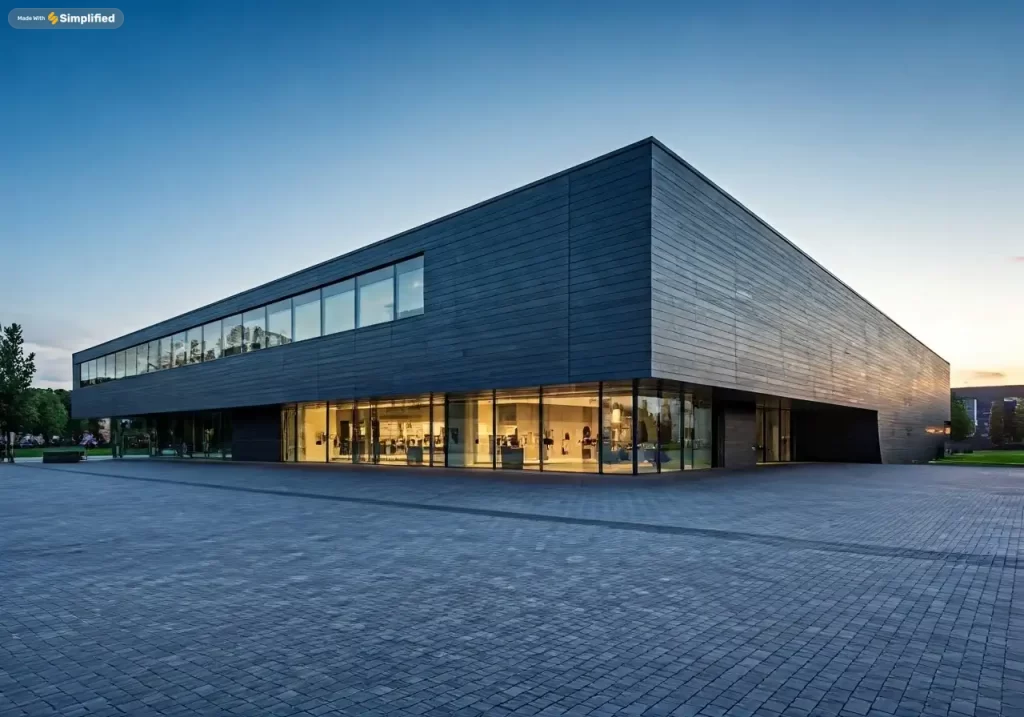
- Showrooms
- Service centers
- Assembly lines
Their durability and ability to integrate with glass façades make them both functional and aesthetic.
7. Chemical and Pharmaceutical Industries
PEBs can be customized for:
- Cleanrooms
- Explosion-resistant zones
- Chemical-resistant coatings
PEB manufacturers design these structures to meet GMP, ISO, and safety standards.
Custom Features for Industrial PEBs
- EOT cranes and monorails
- Turbo ventilators and skylights
- Fire-fighting systems and mezzanines
- Sandwich panels for thermal insulation
- Galvanized or epoxy coatings for corrosion resistance
Why Industries Are Choosing PEBs in 2025 ?
With rising material costs and the push for faster project turnarounds, more industries are turning to PEBs to:
- Save time (up to 50% faster)
- Cut long-term operational costs
- Ensure high structural performance
Whether it’s a new industrial park or an expansion unit, PEBs make scaling and modernizing infrastructure much easier.
Conclusion
From factories and warehouses to power plants and cleanrooms, the applications of Pre Engineered Steel Buildings in industrial projects are vast and growing. For businesses in Kerala and across India, PEBs offer a future-ready solution that blends speed, strength, and savings.

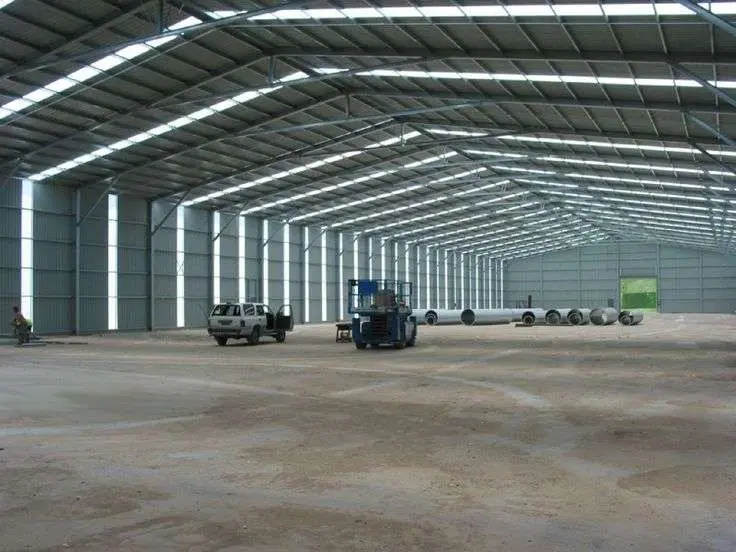

Why Pre Engineered Steel Buildings Are Ideal for Kerala’s Climate
Kerala, known for its lush greenery and coastal charm, also faces one of the most challenging climates for construction—high humidity, heavy rainfall, and salinity in coastal zones. These conditions demand building solutions that are durable, low-maintenance, and resistant to corrosion.
This is where Pre Engineered Steel Buildings (PEBs) come in. Designed for performance and adaptability, PEBs offer an ideal solution for Kerala’s tropical climate. In this post, we’ll explain why PEBs are a smart investment in the region.
Understanding Kerala’s Climatic Challenges
- High Humidity: Kerala experiences 70%–90% humidity almost year-round.
- Heavy Monsoon Rains: Average annual rainfall exceeds 3,000 mm in many regions.
- Coastal Salinity: Areas near the sea face salt-laden air that accelerates corrosion.
- Heat and Moisture Cycles: Frequent temperature shifts affect structural stability over time.
Why PEBs Work Well in Kerala’s Climate
1. Corrosion-Resistant Steel
PEBs are made using galvanized or coated steel, which is highly resistant to rust, even in humid and salty environments.
PEB in humid climate = longer life, minimal maintenance.
2. Waterproof Roofing and Cladding
PEB roofs and wall panels come with anti-leakage designs, overlaps, and sealants that protect the structure from water seepage during monsoon.
- Optional: Insulated sandwich panels for added moisture protection.
- Roof slope customization helps rainwater runoff quickly.
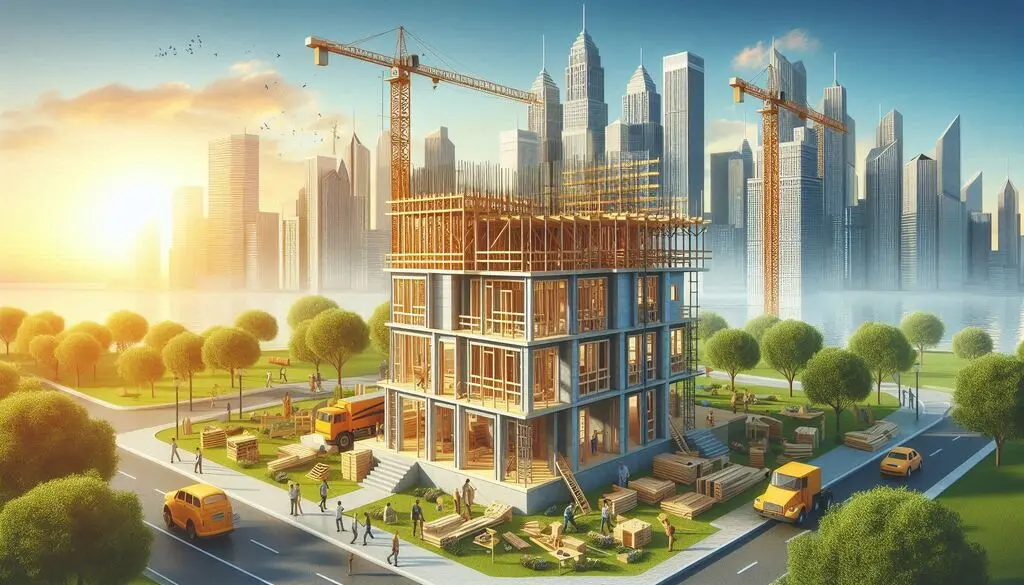
3. Fast Erection = Reduced Weather Risk
Since components are pre-fabricated and assembled rapidly on-site, PEBs reduce the risk of project delays due to unpredictable weather.
This is crucial in Kerala, where long wet spells can stall traditional construction.
4. Custom Ventilation Options
PEBs can be designed with:
- Turbo ventilators
- Ridge vents
- Louvered windows
These features help maintain airflow, reduce condensation, and prevent mold growth.
5. Lightweight Yet Strong Structure
Steel PEBs are engineered to handle wind loads, rain intensity, and even seismic activity. Their lightweight design reduces foundation stress, especially on moisture-prone soil.
6. Low Maintenance in Salty Coastal Zones
Unlike concrete, which can crack or degrade in salty environments, PEB structures resist corrosion and structural weakening in Kerala’s coastal belt (Kollam, Alappuzha, Kochi, etc.).
Best PEB Applications in Kerala
- Warehouses & Cold Storage Units
- Factory Buildings
- Fish Processing Units (Coastal areas)
- Showrooms & Service Centres
- Educational Institutions
Eco-Friendly and Sustainable
- Steel is 100% recyclable.
- PEBs reduce construction waste and site pollution.
- Insulated panels help lower indoor cooling needs—perfect for Kerala’s heat.
Conclusion
With its high humidity, intense rainfall, and coastal salinity, Kerala demands construction solutions that are both resilient and efficient. Pre Engineered Steel Buildings meet these needs head-on—delivering speed, durability, and long-term value.
Step-by-Step Guide to Constructing a Pre Engineered Steel Building
Pre Engineered Steel Buildings (PEBs) are revolutionizing construction by offering speed, strength, and flexibility. But what exactly goes into building a PEB, and how is it different from conventional construction?
In this guide, we’ll walk you through the complete step-by-step process of constructing a PEB—right from design to installation—so you know what to expect at every stage.
Step-by-Step PEB Construction Process
1. Requirement Analysis & Site Assessment
Every project starts with gathering client needs and understanding site conditions.
Key Actions:
- Determine building dimensions (length, width, height)
- Define purpose (factory, warehouse, showroom, etc.)
- Assess soil conditions, wind load, seismic zone
- Evaluate accessibility for cranes and transport
2. Conceptual Design & Engineering
Based on the requirements, structural engineers create a custom design using software like STAAD Pro, Tekla, or MBS.
Key Outputs:
- Structural drawings
- Load calculations
- Material optimization
- Foundation design
This phase ensures the PEB is designed to withstand local environmental conditions (wind, rain, humidity).
3. Approval & Cost Estimation
Once the design is finalized:
- Cost estimate is shared for approval
- Client reviews specifications and materials
- Any final changes are made before production begins
4. Factory Fabrication of Steel Components
This is where PEBs save the most time.
What’s Fabricated Off-site:
- Primary framing (columns, rafters)
- Secondary members (purlins, girts)
- Roofing & cladding panels
- Accessories (flashing, ventilators, louvers)
All parts are precisely cut, drilled, and welded using CNC machines to reduce human error.

5. Foundation & Civil Works
While components are being fabricated, the construction site is prepared.
Site Work Includes:
- Excavation & leveling
- Foundation casting (isolated/pad footing)
- Anchor bolt placement (as per template)
Proper civil preparation ensures smooth steel assembly later.
6. Delivery & On-site Assembly
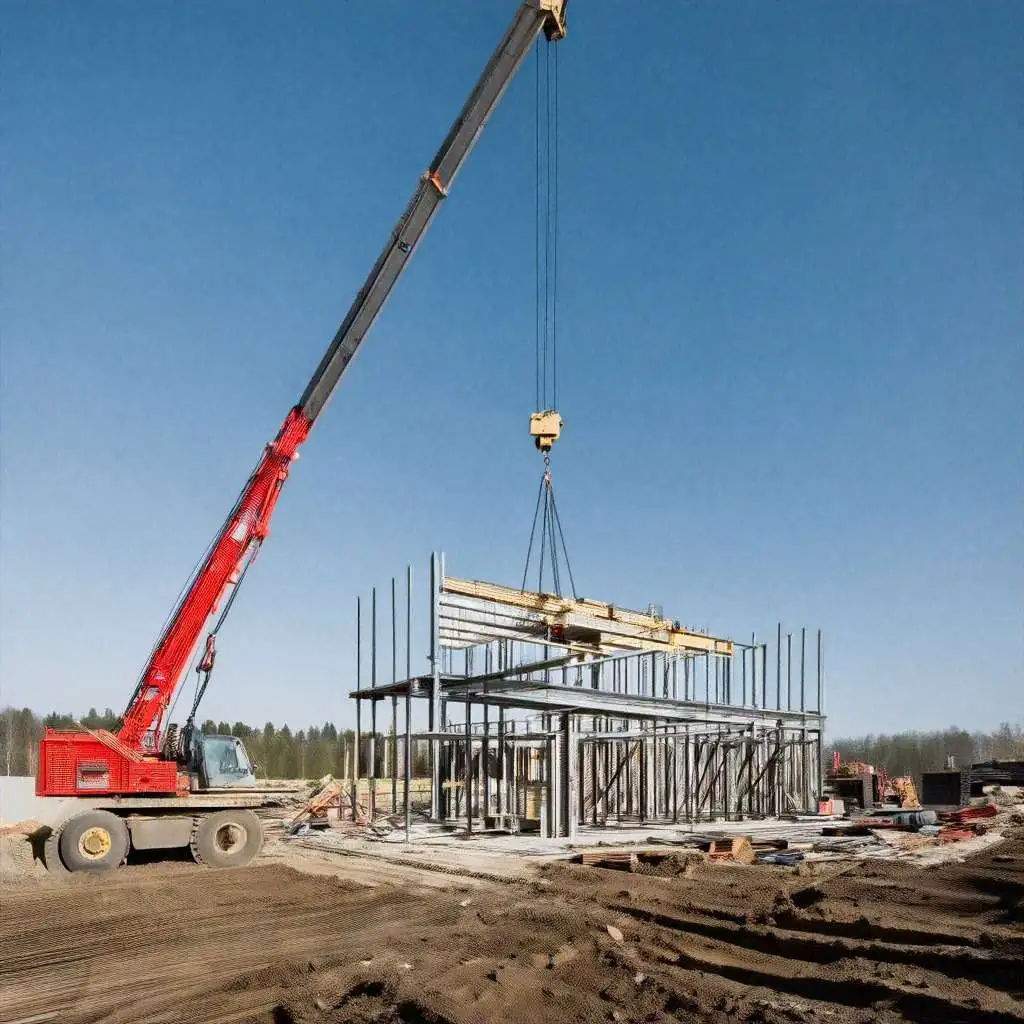
Once the steel components are ready, they are shipped to the site and assembled using cranes and bolted connections.
Erection Steps:
- Install columns & anchor bolts
- Connect rafters and frames
- Fix purlins, girts, and bracing
- Install roof and wall sheets
- Add doors, windows, ventilators
This stage is quick, safe, and clean compared to traditional methods.
7. Final Finishing & Handover
Last-mile work includes:
- Electrical & plumbing installation
- Interior partitions (if needed)
- Insulation and painting
- Quality checks and certification
Once complete, the building is handed over for immediate use.
PEB Construction Timeline Overview
Stage | Duration (Approx.) |
Requirement & Design | 1–2 weeks |
Fabrication | 2–4 weeks |
Civil Foundation | 1–2 weeks |
Assembly & Finishing | 2–3 weeks |
Total Time: As little as 6–10 weeks depending on size and complexity.
Key Advantages of This PEB Construction Process
- Speed: Faster than RCC by 30–50%
- Quality: Factory precision with reduced errors
- Cost-Efficient: Less labor, waste, and rework
- Sustainable: Less dust, debris, and pollution on site
- Scalable: Easy to expand or relocate in future
Conclusion
Building a Pre Engineered Steel Building is a streamlined, efficient, and future-ready process that eliminates many of the delays and complexities of conventional construction. Whether you’re setting up a factory, warehouse, or commercial unit, understanding the step-by-step PEB construction process helps you make informed decisions and achieve faster ROI.
The Role of PEB in Modern Infrastructure Development in India
India is witnessing rapid infrastructure growth—from highways and industrial parks to logistics hubs and smart cities. To meet tight deadlines and control costs, developers are shifting from traditional brick-and-mortar methods to faster, smarter construction technologies. One such game-changer is the Pre Engineered Building (PEB) system.
In this blog, we explore how PEBs are revolutionizing infrastructure development in India, and why they are now an integral part of the nation’s growth story.
What is a Pre Engineered Building (PEB)?
A PEB is a custom-engineered steel structure, manufactured off-site and assembled on-site using bolted connections. The design, fabrication, and erection are highly optimized—offering speed, efficiency, and scalability.
Why PEBs Are Gaining Ground in India ?
1. Speed of Construction
India’s infrastructure projects often face time constraints due to urban congestion and short weather windows. PEBs can be completed in 50% less time than conventional construction—an essential advantage for industrial parks, data centers, and transport terminals.
2. Government Push for Modernization
With initiatives like:
- Make in India
- Bharatmala and Sagarmala
- PM Gati Shakti
- Smart Cities Mission
The demand for fast, scalable construction has grown—and PEBs are the ideal fit.
3. Scalable and Modular Infrastructure
PEBs allow for future expansion without major disruptions. This is critical for:
- Airports and railway stations
- Warehousing zones and SEZs
- Healthcare and education institutions

4. Cost-Efficiency and Reduced Waste
PEBs use high-strength steel and optimize raw material usage via software design. This reduces:
- Steel wastage
- Labor costs
- On-site errors
PEBs also help developers manage project budgets better—especially for PPP (Public-Private Partnership) projects.
5. Sustainability in Infrastructure
- Steel is 100% recyclable
- Faster construction = Lower carbon footprint
- Prefabrication reduces dust, noise, and site pollution
As India aligns with its net-zero emission goals, PEBs offer an eco-friendly solution.
6. Versatility Across Sectors
PEBs are now used in:
- Industrial manufacturing plants
- Cold storage and logistics hubs
- Commercial complexes and malls
- Sports stadiums and event halls
- Metro and railway infrastructure
- Airport hangars and terminals
Their versatility makes them a cornerstone in modern Indian infrastructure.
Case Studies: Where PEBs Are Used in India
- Reliance, Adani, and Tata use PEBs in their industrial parks
- Amazon and Flipkart deploy PEBs in their mega warehouses
- Kerala’s industrial zones adopt PEBs for faster setup and cost control
Key Benefits of PEB in Infrastructure Development
Feature | Benefit |
Quick to build | Speeds up infrastructure rollouts |
Modular | Supports phased growth |
Durable | Withstands heavy loads and harsh weather |
Customizable | Adapts to sector-specific needs |
Lower life-cycle costs | Minimal maintenance and energy usage |
Conclusion
As India continues its journey toward becoming a global economic powerhouse, the need for fast, efficient, and scalable infrastructure is greater than ever. Pre Engineered Steel Buildings provide the speed, durability, and adaptability needed for 21st-century growth.
From industrial townships to smart cities, PEBs are not just a construction method—they are a strategic enabler of India’s infrastructure revolution.

© Copyright 2024 EVER ROOF. All right reserved.Designed by Ani Benny